
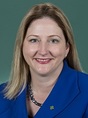
Rebekha Sharkie Mayo, Centre Alliance
4:30 pm
Since the 26th budget was handed down, I've heard from so many distressed small-business owners in my electorate. We've already seen a huge number of businesses fail and more empty shops. Let me tell you, when I walk past an empty shop—it actually breaks my heart—I know that, nine out of 10 times, it's because that business's dream has been lost. It's very, very rare that they've been able to be so successful that they've been able to go to larger premises. And those remaining businesses across Australia, the ones that haven't foreclosed this year, will have new taxes that were not just not mentioned before the election but denied before the last election. Then, the next budget after the election, there they were.
This week, I met with accountant Belinda Raso from Tax Invest Accounting along with 10 small-business representatives from across the country who employ people and provide products and services to our communities in construction, hospitality, accounting, mortgage brokering and more. They talked about the downturn in demand and revenue and the increased costs of wages and power. They talked about the fact that the risk versus reward ratio is no longer there. Small businesses in the construction sector talked about it being incredibly difficult to compete with the high-paying government infrastructure builds with respect to wages for qualified trades. And, deeply worryingly, a mortgage broker reported seeing a lot of businesses going to him to seek ATO debt consolidation.
There are 2.7 million small businesses—those with up to 20 employees—trading across Australia, and what many of them, around 350,000, are now going to experience are changes to their discretionary trusts. That is going to mean a higher tax burden than they have seen before, one that the government said would not happen. Let me tell you what that means. That 30 per cent flat tax on discretionary trusts is going to affect mum-and-dad businesses who use those trusts to pass the business on to the next generation or, indeed, protect the family home. That means that those small businesses are going to be paying a much higher rate of tax than anyone who's in the PAYG scenario. Why? Because they're not going to be able to access the tax-free threshold nor access the 15 per cent tax rate that applies to income from $18,200 up to $45,000. This is a cruel tax on small business that this government is implementing.
Then there are the restructuring costs. Those small businesses are saying, 'Okay, well, let's try and manage our tax affairs differently, because that's potentially $10,000 in tax costs that we're going to pay that our employees are not going to pay.' It's unfair, and that is going to cost the nation, those small businesses, between $3 billion and $10 billion. The ATO doesn't earn any money out of that, but what happens is that many businesses will just close. They'll just go to the wall.
Then this week we had the digital duty of care bill, by which the government wants to implement even more regulatory burden on small businesses. Even those with a very small outward-facing website are going to need to do an assessment or pay for someone else to do an assessment to see whether their business complies. They're going to have to keep those records for years. It's unforgivable, the burden that is applied to small business by this government. And so I asked Belinda and those with her, 'What would you do if you were PM for the day?' And they said, 'Let us run our businesses, address inflation and productivity, and exempt businesses with aggregate turnover under $10 million from the new trust tax.'
We need to thank businesses. They're collecting tax every quarter or every month on behalf of the government. Unpaid tax collectors, they are. And what is this government doing? It's taxing businesses to death. We must do better.
No comments