

Rebekha Sharkie Mayo, Centre Alliance
3:08 pm
My question is to the Minister for Veterans' Affairs. Shane is 64, has served in the Australian Army for 21 years and lives with multiple injuries. Shane will hit the proposed $5,000 limit for veterans' allied health services in less than four months. Many veterans have said to me they will need to choose between physical and psychological health support—or be retraumatised trying to seek extra support above the cap. Will the government do the right thing by veterans and raise or reverse the proposed cap?
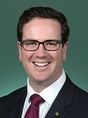
Matt Keogh Burt, Australian Labor Party, Minister for Veterans’ Affairs
3:09 pm
I thank the member for the question, because it's important to be able to provide the House with the full suite of information about the package that was announced on budget night. At the moment, we know many veterans are having difficulty accessing allied health services because, historically, DVA has not paid those allied health professionals enough. And so we announced that we'll make the biggest increase in 20 years to those fees. As part of that, we're also scrapping the treatment cycle that meant that veterans would have to go back to a GP for a new referral every 12 sessions with an allied health professional, which was of course adding to the administrative burden and the complexity for those veterans as well as for GPS. We're replacing that with the $5,000 allocation, as we mentioned, but, importantly, our commitment is that any veteran that has a clinical need to go over that amount will be able to access additional allied health services.
Now, to put that $5,000 in context, the median use of allied health services by veterans is $1,900. Around one in 10 veterans may go above that $5,000 amount, and we've committed, as you would expect, to working with the veterans community in consulting with them about the best method for obtaining those approvals where they may need more, because we understand that some veterans have very complex needs. For different allied health services, that may work in different ways, recognising the diversity of allied health users. So we'll work with the veterans and with the Allied Health service professionals around a system to make sure there's a good approval system with no gap in delivery of service to a veteran that has a clinical need to receive it.
Unidentified interjection - Hansard doesn't record who said this
Opposition Members:
Opposition members interjecting—
Matt Keogh Burt, Australian Labor Party, Minister for Veterans’ Affairs
And I say to those that are heckling opposite that it would be helpful if they would engage in constructive conversation around this instead of trying to create fear in the veterans community as we engage with the veterans community to make sure this system works well for them with better access to allied health care going forward.