
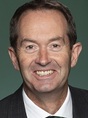
Andrew Wallace Fisher, Liberal National Party, Shadow Cabinet Secretary
7:49 pm
Australians are doing it tough, right now, and, beyond this chamber, families and small businesses are under immense pressure, with little relief in sight. Make no mistake: this is Labor's cost-of-living crisis. When they spend, prices rise and Australians pay. This is not theory or modelling. It is in the weekly shop. It's in the power bill. It's in their rent and the mortgage that they pay. It shows up in inflation, which is now at 3.8 per cent—and that came over Christmas, at the worst possible time for households that are already overstretched.
Under the coalition, inflation averaged over just two per cent. Under Labor, Australians are paying almost double that. And they feel it every single day. Australians are paying more for everything that matters. Insurance is up nearly 40 per cent. Energy prices are up nearly 40 per cent. Rents are up more than 20 per cent. Health, education and food costs are all sharply higher. These are not luxuries; these are basic essentials.
Housing and rent are now major drivers of inflation, because Labor's housing and migration settings have pushed demand higher while supply falls further behind. Economists have been blunt: government spending is now at its highest level, outside a recession, in almost 40 years, and they say that it's fuelling inflation and the fiscal guardrails have come off from this government. That is reckless and it's unsustainable. Mortgage holders already know the cost of the government's failure. The average Australian family, in average suburbia, with an average mortgage on an average home, is now paying more than $23,000 a year more in interest than they were when the coalition was in government. That $23,000 is after tax—after tax! Every minute, Australia pays around $50,000 just in interest on Labor's debt. That is money not going to Medicare, schools, roads or tax relief. This government talks about helping families but their actions tell a different story, driving up prices and keeping interest rates higher for longer.
Nowhere is this pressure felt more sharply than in small and family businesses—including in my electorate of Fisher, which is the small business capital of this country. What many people in this place don't realise is that, if Australians are failing to cope, just in making their interest payments on their home, think of the poor old small-business owner. Not only does he or she, usually, have to pay their mortgage repayments, but they've also got a debt for their business. Now, whether it be a franchise, like a mowing franchise, or whether they be carpenters, bricklayers or dentists, they all—or many of them—are carrying overdrafts. And, if you think that the interest rate on your home mortgage is high, wait till you have a small business loan. So they're copping it in the neck both at home and in their businesses.
Small businesses are the engine room of our economy. And you know what, Mr Speaker? Do you know Labor's idea of how you create a small business? Start with a big one! Start with a big one, and, ultimately, you'll end up with a small one, because this government consistently has its foot on the neck of small businesses, because small businesses are constantly under pressure, with all of the red tape that they have to comply with. They work all day and then, when they go home at night, all they do is paperwork and government-regulation work. They are unpaid tax collectors, as my dear old dad used to say—God bless him—as someone who worked in his own business for 70-odd years. There are Australians who are doing it tough all over this country because they are in small business. Well, we've got your back. The coalition has your back. (Time expired)