
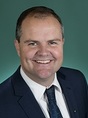
Ted O'Brien Fairfax, Liberal Party, Shadow Treasurer
2:45 pm
My question goes to the Treasurer. Scores of economists, including those referenced already in question time today from Deloitte to AMP to HSBC, are all saying that the Treasurer's reckless spending is contributing to inflation, despite the Treasurer desperately attempting to deny all responsibility. So does the Treasurer truly expect Australians to believe that all of these economists are wrong but he is right?

Jim Chalmers Rankin, Australian Labor Party, Treasurer
2:46 pm
Again, by his logic, the bigger deficits that they've taken to the last election for this year and next year would make the inflation challenge in our economy worse, not better—by his own logic. You can't take to an election a policy to spend much more and to have bigger deficits and more debt and then make the argument that the shadow Treasurer is making. He's got to choose one argument or the other.
When it comes to the views of economists, as I've said on a number of occasions now, there are a range of views about this. From AMP:
… government spending has peaked and the growth of government spending is going to add less to inflation …
The Commonwealth Bank said, 'The public sector's contribution to growth has eased significantly.'
From Westpac:
Public sector demand growth is slowing and indeed was negative over the first half of 2025.
Even this morning, Access Economics made the point that public spending is not the driver of the uptick in inflation that we saw towards the end of last year and represented in last week's inflation numbers.
If the shadow Treasurer doesn't want to take the word of those economists, then I refer him again to the comments of the Reserve Bank governor yesterday in the media release, in the statement on monetary policy and in the press conference itself. The governor made the point—and I'm quoting:
Growth in private demand has strengthened substantially more than expected …
I'm quoting again:
Private demand is growing more quickly than expected …
In the statement on monetary policy, it said, 'Private demand was much stronger than expected.'
In the statement on monetary policy, it reads:
The near-term upward revision is driven by private demand …
And in the press conference:
Private demand has turned out to be much stronger than we had been forecasting …
This is the reality that the Governor of the Reserve Bank and I have been pointing to. And, once again, the statement on monetary policy reads:
The contribution of public demand to year-ended GDP growth has continued to ease in recent quarters …
Those opposite continue to ignore the very clear statements made by the independent Reserve Bank when explaining the decision that they took yesterday. We understand that as a government we need to continue to manage the budget responsibly. We need to rollout this cost-of-living help in the best way that we can. There's more work to do on the budget in May. That's obviously the case.
When we talk about cost-of-living help, we should remember that just this morning the opposition leader said, 'All the relief that the government has provided to struggling Australians—that's not the answer.' So they don't support the cost-of-living relief that's rolling out. We do, and we're doing it while we're making the budget more responsible as well.