
House debates Questions without Notice
Cost of Living

Stephen Bates Brisbane, Australian Greens
2:16 pm
My question is to the Treasurer. The RBA governor has implied that everyday people need to stop spending money at the dentist to help reduce inflation, so will you scrap Labor's stage 3 tax cuts that give a $9,000 a year handout to politicians and the one per cent and instead fund dental into Medicare to ease the cost of living and to reduce inflation?
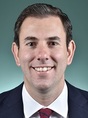
Jim Chalmers Rankin, Australian Labor Party, Treasurer
2:17 pm
Thanks to the honourable member for his question. I think in my last answer I made our views on inflation and cost-of-living help pretty clear. Inflation is moderating in our economy, not as fast or as far as we would like but it's moderating from the high-quarterly peak that we inherited. The Reserve Bank governor, as is appropriate, has made some comments about that in recent weeks, as have I. Our focus as a government is on rolling out those 10 different types of cost-of-living relief that I went through in some detail a moment ago.
Unidentified interjection - Hansard doesn't record who said this
Opposition Members:
Opposition members interjecting—
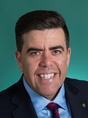
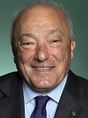
Mike Freelander Macarthur, Australian Labor Party
It's giving you a toothache!
Milton Dick Speaker
The member for Macarthur, I'm not sure what that was—but, anyway, it'll cease and desist.
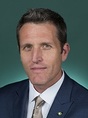
Josh Wilson Fremantle, Australian Labor Party
2:18 pm
My question is to the Prime Minister. What actions has the Albanese Labor government taken to reduce cost-of-living pressures, including investments in strengthening Medicare and opening new urgent care clinics? How are these helping ordinary Australians, and what opposition has the government had to overcome?
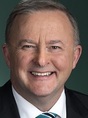
Anthony Albanese Grayndler, Australian Labor Party, Prime Minister
I thank the member for Fremantle for his question, and he knows that our No. 1 priority is easing cost-of-living pressures. There are three vital ways that you can tackle cost of living: you can get costs down for families, you can get wages up for workers but you can also get the budget onto a stronger foundation, and we're doing all three. Our responsible budget management means that we can invest in cheaper medicines, affordable housing, energy bill relief, higher wages, cheaper child care, while those opposite said no to all of the above.
I'm asked particularly about health care. We have the biggest investment in Medicare in its history—tripling the bulk-billing incentive, providing support for 11 million Australians to see a GP for free. And we're opening 58 Medicare Urgent Care Clinics right around the country, taking pressure off families and taking pressure off hospital emergency departments. And those opposite—
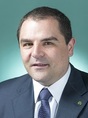
Tony Pasin Barker, Liberal Party, Shadow Assistant Minister for Infrastructure and Transport
They're really making a difference!
Anthony Albanese Grayndler, Australian Labor Party, Prime Minister
The member for Barker jokes that, 'Oh, they're making a difference!'
They are making a difference. Seventy-five thousand presentations to these clinics means that 75,000 people who—
Anthony Albanese Grayndler, Australian Labor Party, Prime Minister
Seventy-five thousand people who would have been waiting in emergency departments, often families with their kids with a broken arm or with injuries from another accident that had occurred—
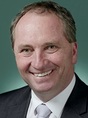
Barnaby Joyce New England, National Party, Shadow Minister for Veterans' Affairs
With a broken wallet!
Anthony Albanese Grayndler, Australian Labor Party, Prime Minister
One in three patients have been under 15. The former leader of the National Party interjects 'with a broken wallet'. The truth is that you only need your Medicare card, not your credit card—unlike his Leader of the Opposition, who wanted to impose a cost on every person who ever saw a doctor, with a co-payment. Nearly one in three visits have been on weekends. On weekdays, more than one in five visits have been after 6 pm.
We're strengthening Medicare. The Leader of the Opposition, of course, when he was health minister, tried to destroy it. He tried to abolish bulk-billing with a GP tax. He wanted to increase the price of medicines with a medicine tax and wanted to whack every single patient with a hospital tax when they turned up, as well. No wonder he was voted Australia's worst ever health minister. What we're doing is working to strengthen Medicare as part of our plan for strengthening Australia and working for Australia.