
House debates Questions without Notice
Cybersafety
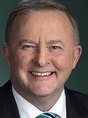
Anthony Albanese Grayndler, Australian Labor Party, Prime Minister
2:59 pm
I thank the member for Curtin for her question and for her interest in what is, I think, one of the critical challenges facing us not just here in Australia but globally as well—how we deal with this new technology that can make an enormous difference and which enables us to be better connected than we have ever been and enables us to have information at our fingertips when we simply would have had to have gone to the library or gone through a much more time-extensive route. But our social media ban is a start, and the member is right that we need to do more.
The social media ban, though, has exceeded the government's expectations. The fact is that 4.7 million accounts got either shut down or paused in the initial stages, and ongoing work is occurring across those 10 platforms. It's about giving Australian kids more time away from the pull of recommender systems. It's about giving them more time to develop real friendships with real people and to learn how to get along with people who might have different views or experiences. The fact that it's being replicated around the world, with Spain the latest country to get on board, shows Australia leading the way in this area.
Our upcoming digital duty of care will also put the onus on platforms, though, to proactively protect all Australians from harm. This can be a range of areas—grooming of people and the algorithms pushing people towards more and more extreme views. I was part of the American leadership dialogue many years ago at Stanford University with someone who was a whistleblower at Facebook and who spoke about the impact that it had had in pushing people towards extremism and the danger that that represented. We need to assert as a country, not just as a government, that social media has a social responsibility, because these algorithms can cause enormous issues. They can amplify rather than reduce prejudice.
We see in some of the debate about issues that should be able to be discussed much more respectfully, such as the Middle East and other issues of conflict, people being pushed into more and more extreme positions and people being pushed in ways where they are presented as facts things that simply are not true as well. Social media does not optimise for social cohesion. It does have a social responsibility. We as a community all need to work hard to ensure we're acting with thought and with kindness, whether in real life or online. People will say things online they would never say to your face, and that is a real issue that we have to confront.
I thank very much the member for Curtin for raising this issue. I say to her and others in this chamber as well that this is something that really should be right above politics and that we as a society need to work on because, together, we all have an interest on behalf of not just ourselves but more importantly as well the generations to come.
No comments